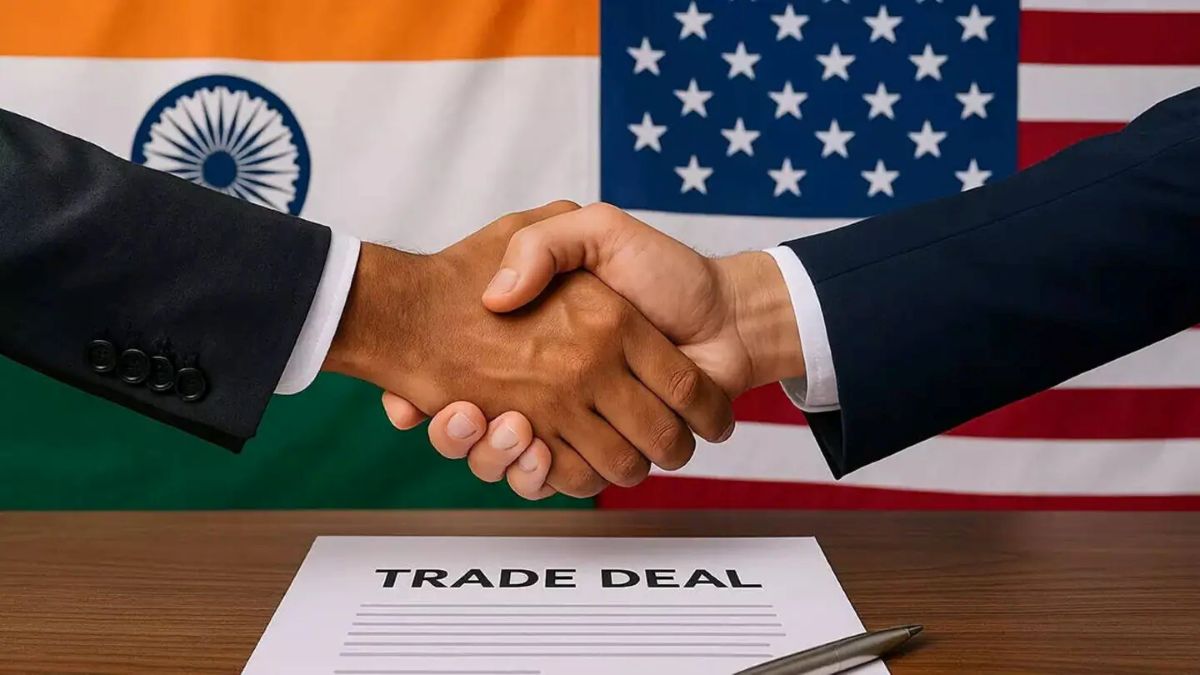
The United States and India have reached a framework for an interim trade agreement, marking a key step in easing recent trade tensions between the two nations. Announced in early February 2026 following discussions between US President Donald Trump and Prime Minister Narendra Modi, the arrangement focuses on reciprocal tariff adjustments and expanded market access.
The deal follows negotiations that started in February 2025 toward a broader Bilateral Trade Agreement (BTA). Officials from both sides describe the interim framework as a milestone that promotes balanced trade based on shared interests.
Tariff Adjustments
A major element involves changes to tariffs on goods moving between the countries. The United States has applied a reciprocal tariff rate of 18 percent on many Indian-origin products. This covers key export sectors from India, such as textiles and apparel, leather and footwear, plastics and rubber, organic chemicals, home décor items, artisanal products, and certain machinery.
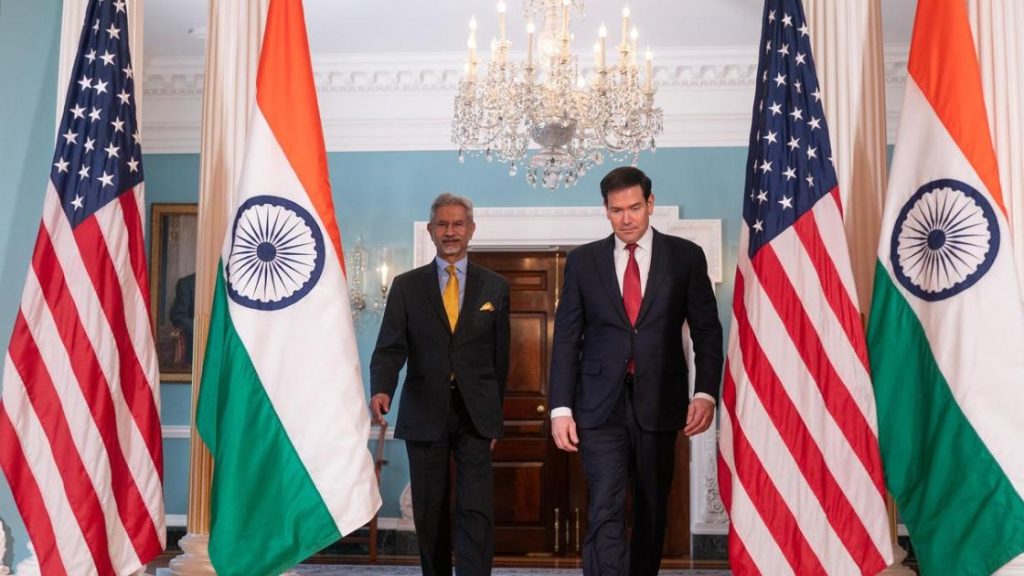
In addition, an earlier additional 25 percent duty on Indian imports linked to specific policy concerns has been removed, effective February 7, 2026, according to White House announcements.
On the Indian side, the country has agreed to eliminate or reduce tariffs on all US industrial goods. This also applies to a range of US food and agricultural products. Examples include dried distillers’ grains (DDGs), red sorghum for animal feed, tree nuts, fresh and processed fruit, soybean oil, wine, spirits, and other items.
The White House released and later updated a fact sheet on the agreement. Revisions removed references to certain pulses (such as lentils and chickpeas) from the list of products for tariff relief and adjusted wording around India’s purchase intentions.
Bilateral Benefits and Commitments
The framework aims to deliver advantages for businesses and economies on both sides. For Indian exporters, lower US tariffs are expected to improve competitiveness in labor-intensive sectors like textiles, garments, and leather goods. This could support job creation and export growth in these areas.
For the United States, reduced barriers in India open greater access to a large market for industrial products, energy resources, and select agricultural items. The joint statement notes that India intends to increase purchases of American products, including energy sources like coal, information and communication technology, and other goods. Reports indicate an aim for over $500 billion in such purchases over the coming years, though the language emphasizes intent rather than a firm obligation.
Both governments have reaffirmed their goal to finalize the interim agreement soon and advance toward a comprehensive BTA. This would include further market access steps and measures to build more resilient supply chains.
Context and Ongoing Developments
The interim framework comes amid efforts to address past trade imbalances and external factors influencing bilateral relations. While the tariff reductions provide immediate relief for exporters, some analysts note that details on exact product coverage and implementation timelines remain under discussion.
The White House has highlighted the deal as a step toward reciprocal and mutually beneficial trade. Indian officials have stressed that sensitive sectors, such as certain agricultural areas, continue to receive protection.
As negotiations progress toward formal signing potentially by March 2026 the agreement is seen as a foundation for stronger economic ties between the world’s two largest democracies. Trade between the US and India has grown steadily, and this framework is positioned to support further expansion while addressing concerns from stakeholders on both sides.